
Quiet
−42 dB.
From the 74 dB of a bus to the 32 dB of a library at night. And back, the moment you need to hear the world.
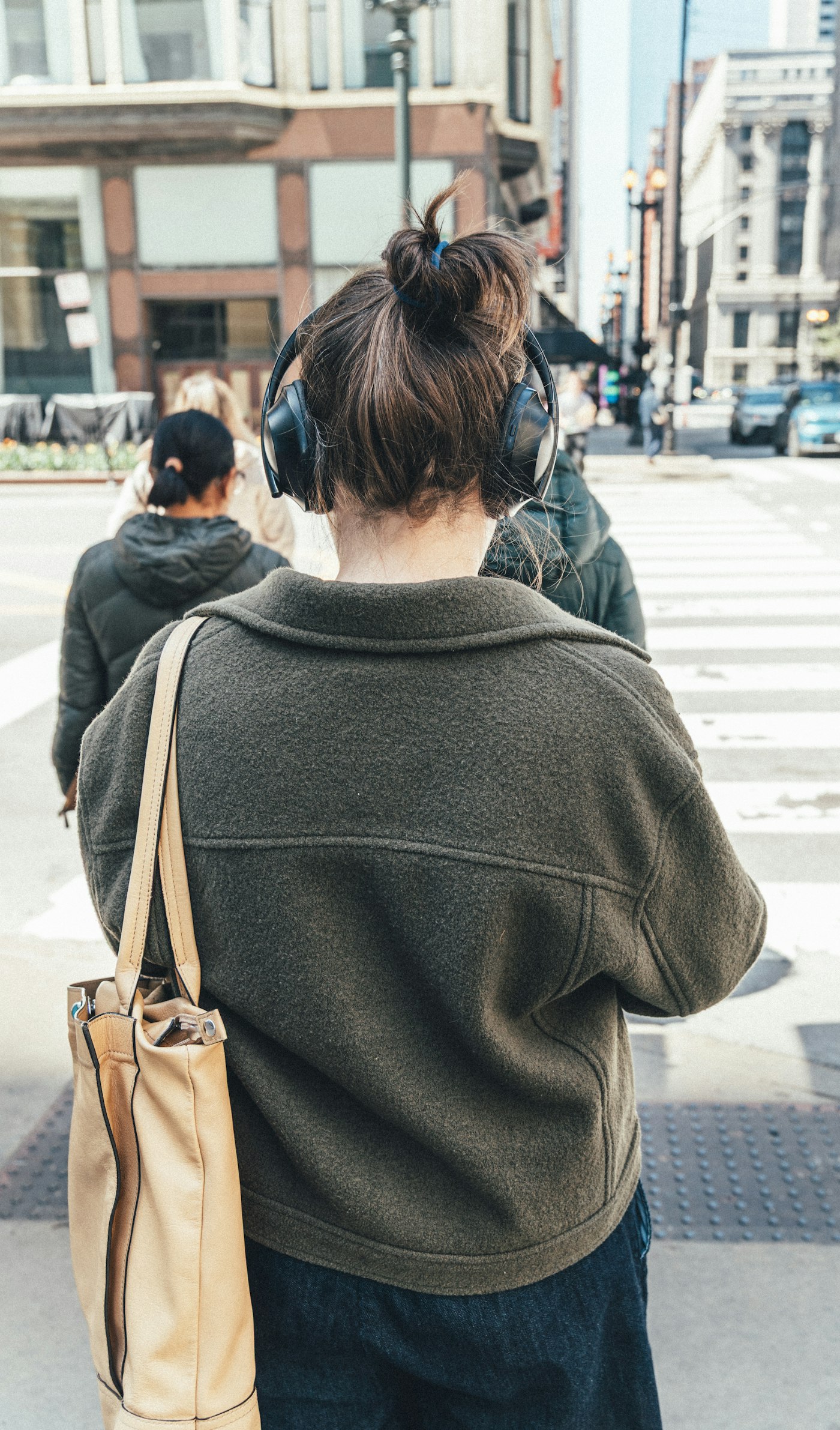
(01) — Hear the difference
Slide thecity away.
Turn sound on and drag. Eight microphones listen to the street 50,000 times a second and play back its exact opposite.
TransparencyAdaptiveQuiet
Street58 dB
ModeAdaptive
(02) — Modes
Three waysto listen.
| Mode | What it does | Good for |
|---|---|---|
| Quiet | Full cancelling, −42 dB, adapts 200 times a second to how the cushions sit | Planes, trains, open offices |
| Adaptive | Lets voices and announcements through, cancels engines and air-con | Cities, cafés, everything in between |
| Transparency | The microphones play the world back to you, slightly brighter than life | Crossing the street, ordering coffee |
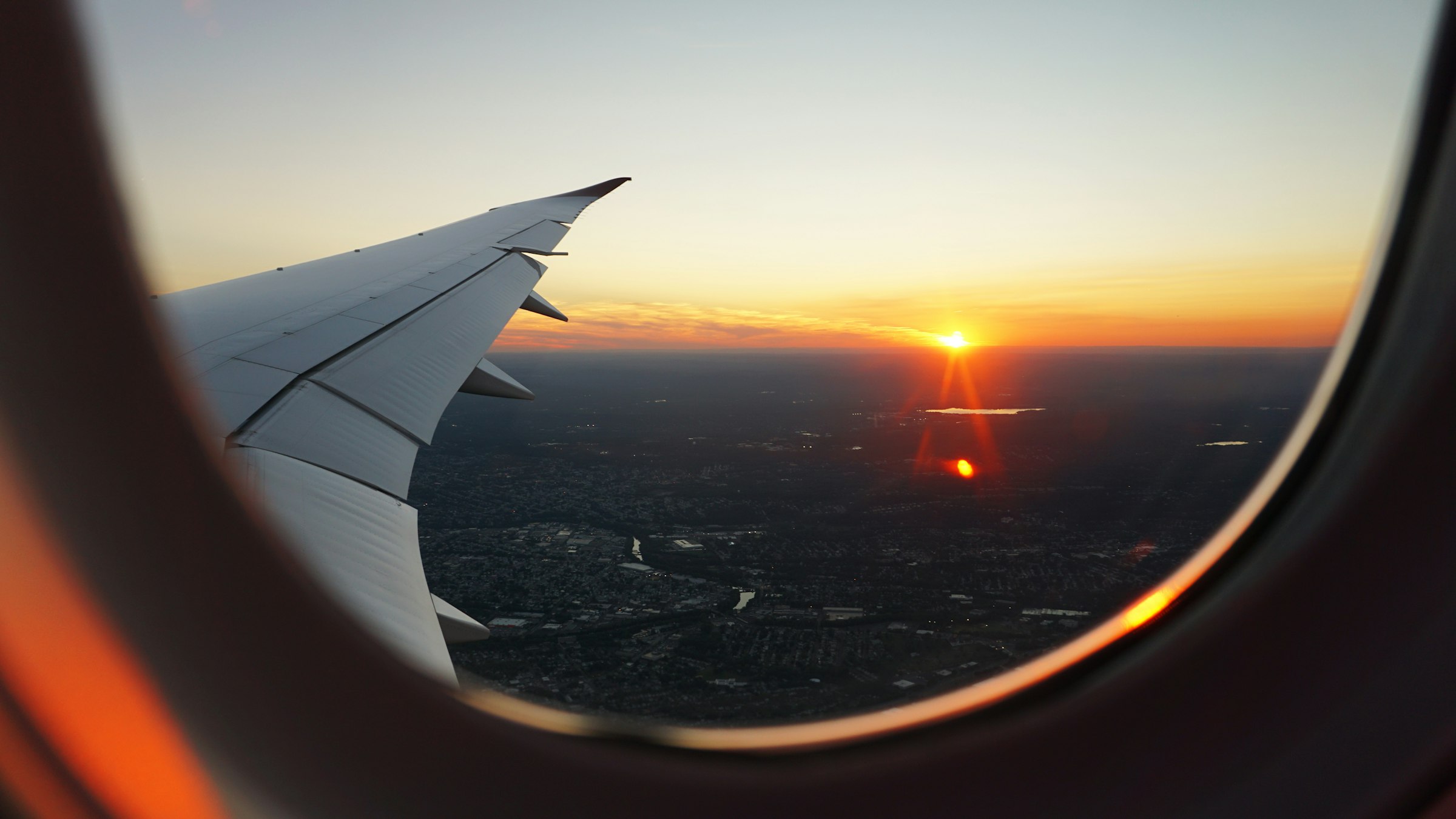
(03) — Planes
Engines,gone.
A long-haul cabin is 80 dB of low rumble — exactly the noise cancelling is best at. Q1 takes it down by 42.
Pressure-relief vents stop the stuffy-ear feeling some noise cancelling gives you on landing.

(04) — Offices
Voices,softer.
Voices are the hardest noise to cancel: they change every few milliseconds. Q1 has two chips just for them.
Hold the right cup to switch to Transparency when someone leans over your desk.

(05) — Silence